ב"ה
Passover Q&A

A practical solution to a religious dilemma that has grown within certain Jewish cultures.
|
And What Foods Are Included?
To be kosher for Passover, food must be 100% free of chametz, grain that has fermented.
|
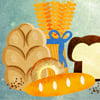
How to shop for chametz after Passover.
|

Check your pet food to ensure it has no chametz ingredients.
|
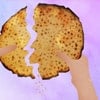
It is important to tell the story of Exodus with broken bread over the table, like poor people.
|

Even though the widespread custom is not to specifically seek out red wine for Shabbat and holiday Kiddush, we do so for the Passover Seder.
|

The question of whether glassware can be koshered, year-round and especially for Passover, is the subject of debate among the early halachic authorities.
|
|

These FAQs Are for You
with coronavirus curtailing travel plans and social
interactions, many are facing the prospect of celebrating Passover alone. Here's what you need to know.
|

It seems that dipping is an important part of the Passover Seder. But why?
|

How can it be that one group of Jews can eat rice on Passover and another group can't? Aren't we all part of the same religion?
|
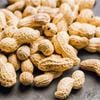
Would they be included in the kitniyot ban?
On Passover, Jews of Ashkenazic descent (and some Sefardic communities as well) do
not eat anything that is considered “kitniyot.” Does this include the peanut?
|
|
|

The holidays are called moadim in Hebrew, from the word moed, which also means “appointment.”
|

It's that time of year: Kids return home for Passover to drive their mother nuts. Husbands become holy rollers making demands for higher standards in the kitchen in which they never lift a finger. Yet other wives turn their kitchens into high security chametz free zones—and their husbands are the menacing mice...
|
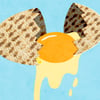
I often see egg matzah for sale, and have been wondering whether we can serve it at the Seder instead of regular matzah. I have always found it so much tastier . . .
|
|
I've always thought it was because the dough did not have enough time to rise, but now I've been told there are other reasons.
|

The tools used for the search of chametz—leavened foods
When searching for leaven on the night before Passover we carry a candle, a spoon and a feather. Is there a good reason for the spoon and feather?
|

On the two-day observance of the holidays in the Diaspora
I know that in Israel the Seder is only celebrated on the first night. For the rest of us living outside of Israel, is the second Seder as important as the first, or is it just a custom?
|

Is there any type of pasta that may be eaten on the holiday of Passover?
|

It seems that this year’s holiday of Passover was much later in the year than it was last year. What exactly happened to delay the holiday of Passover this year?
|

Whenever I drink a cup of wine, I get excruciating pain in my abdomen. Usually lasts only 15 minutes, but real torture. I know it’s a mitzvah to drink all four cups at the Passover Seder, but is there a way to get around the pain?
|

I read in the verse that Passover is in the, “…month of Aviv.” But I cannot seem to find it in the Jewish calendar. When is the Jewish month of Aviv?
|
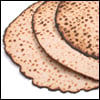
While this matzah can be made out of flour from any of the five grains (wheat, barley, spelt, rye and oats), the famed codifier of Jewish law, Rabbi Moshe Isserlis, writes that the custom is to specifically use wheat flour for the matzah...
|

Wouldn’t a flashlight do the same in the search for leavened foods?
|

On a basic
level, that is exactly why we do it—so you should ask the question “why?”
|

Popcorn is made from corn, which is included in the general class of kitniyot, foods that Ashkenazim (and some Sephardim) may not eat on Passover.
|
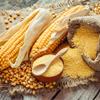
Corn is included in the general class of kitniyot, foods that Ashkenazim (and some Sephardim) may not eat on Passover.
|
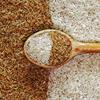
Rice falls under the general class of kitniyot, foods that Ashkenazim (and some Sephardim) may not eat on Passover.
|
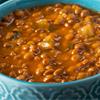
Lentils are included in the general class of kitniyot, foods that Ashkenazim (and some Sephardim) may not eat on Passover.
|
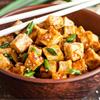
Tofu, soy milk, soy burgers, edamame, miso, tempeh, and soy sauce are all forbidden for Ashkenazim on Pesach.
|
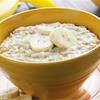
Along with wheat, barley, rye and spent, oats are one of the
“five grains,” which can become chametz when brought into contact with
water.
|
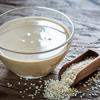
The major component of tahini is sesame. Sesame seeds fall
under the general class of kitniyot,
foods that Ashkenazim (and some Sephardim) may not eat on Passover.
|
|
Along with wheat, barley, rye and spelt, oats are one of the
“five grains,” which can become chametz
when brought into contact with water.
|
|
With the exception of peanuts, which are actually not nuts,
all nuts are essentially kosher for Passover. Here is what you need to know.
|
|
Tree nuts are essentially kosher for Passover. Thus, un-blanched, unroasted almonds with no
additives are kosher for Passover.
|
|
|
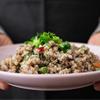
Buckwheat is included in the general class of kitniyot, foods that Ashkenazim (and some Sephardim) may not eat on Passover.
|
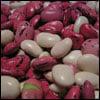
Beans are included in the general class of kitniyot, foods that Ashkenazim (and some Sephardim) may not eat on Passover.
|
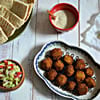
The primary component of falafel is chickpeas (or fava beans), which are included in the general class of kitniyot, foods that Ashkenazim (and some Sephardim) may not eat on Passover.
|

|
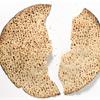
The Bare-Bones Version
|
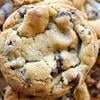
While ordinary cookies are not kosher forPassover, it is very possible to bake or purchase some that are.
|
|
Sesame seeds fall
under the general class of kitniyot,
foods that Ashkenazim (and some Sephardim) may not eat on Passover.
|

Green beans fall under the general class of kitniyot, foods that Ashkenazim (and some Sephardim) may not eat on Passover.
|

Mustard falls under the general class of kitniyot, foods that Ashkenazim (and some Sephardim) may not eat on Passover.
|

Chickpeas fall under the general class of kitniyot, foods that Ashkenazim (and some Sephardim) may not eat on Passover.
|

Rice noodles fall under the general class of kitniyot, foods that Ashkenazim (and some Sephardim) may not eat on Passover.
|

Sunflower seeds fall under the general class of kitniyot, foods that Ashkenazim (and some Sephardim) may not eat on Passover.
|

Halva falls under the general class of kitniyot, foods that Ashkenazim (and some Sephardim) may not eat on Passover.
|

Corn starch falls under the general class of kitniyot, foods that Ashkenazim (and some Sephardim) may not eat on Passover.
|

Like other dairy products, yogurt is kosher for Passover provided it has kosher-for-Passover certification.
|

Olives direct from the tree are kosher for Passover. However, commercially produced olives require reliable kosher certification.
|

Like all other tree nuts, unroasted and unflavored cashews with no additives are kosher for Passover and require no certification.
|

All oat milk is inherently chametz and may not be consumed on Passover.
|

Homemade potato chips fried in kosher-for-Passover oil in a kosher-for-Passover kitchen are 100% kosher for Passover. However, commercially processed potato chips equires reliable kosher-for-passover certification.
|

In their raw, unprocessed form, cocoa beans are 100% kosher for Passover. However, commercially processed chocolate requires reliable kosher-for-passover certification.
|

Use only mayonnaise with kosher-for-Passover certification, or make your own.
|

Couscous is made from small granules of wheat and water; as such, it is 100% chametz and is not permitted on Passover.
|

While pure avocado oil is kosher for passover, it still requires reliable kosher-for-Passover certification.
|

Like all other tree nuts, unroasted and unflavored almonds with no additives are kosher for Passover and require no certification. Almond flour, however, since it has been processed, requires certification like any other commercial product.
|

Pumpkin seeds are not chametz, nor are they considered kitniyot, but should only be used with reliable kosher-for-Passover certification due to possible cross-contamination.
|

Chia seeds are not chametz, nor are they considered kitniyot, but should only be used with reliable kosher-for-Passover certification due to possible cross-contamination.
|

Granola contains oats that can become chametz on Passover, but chametz-free granola is allowed if it’s certified kosher for Passover or homemade accordingly.
|

Canola (rapeseed) oil is considered kitniyot, which Ashkenazim (and some Sephardim) avoid on Passover.
|

Egg noodles made from flour and water become chametz, so regular ones aren’t kosher for Passover. Some certified Passover versions exist, or you can make your own.
|

Farro is a subspecies of one of the five grains that becomes chametz when mixed with water, so it is inherently chametz and forbidden on Passover.
|

Although milk seems like a simple and innocuous product that should not pose any chametz concerns, it needs to be certified kosher for Passover for two important reasons.
|

Potato latkes can very easily be made with only kosher-for-Passover ingredients.
|

Tapioca is a root vegetable and perfectly kosher for Passover. However, processed tapioca and tapioca flour should only be purchased with kosher-for-Passover supervision.
|

Baking powder does not contain any problematic ingredients, but as with any commercial product, baking powder should only be used if it has reliable kosher-for-Passover certification.
|